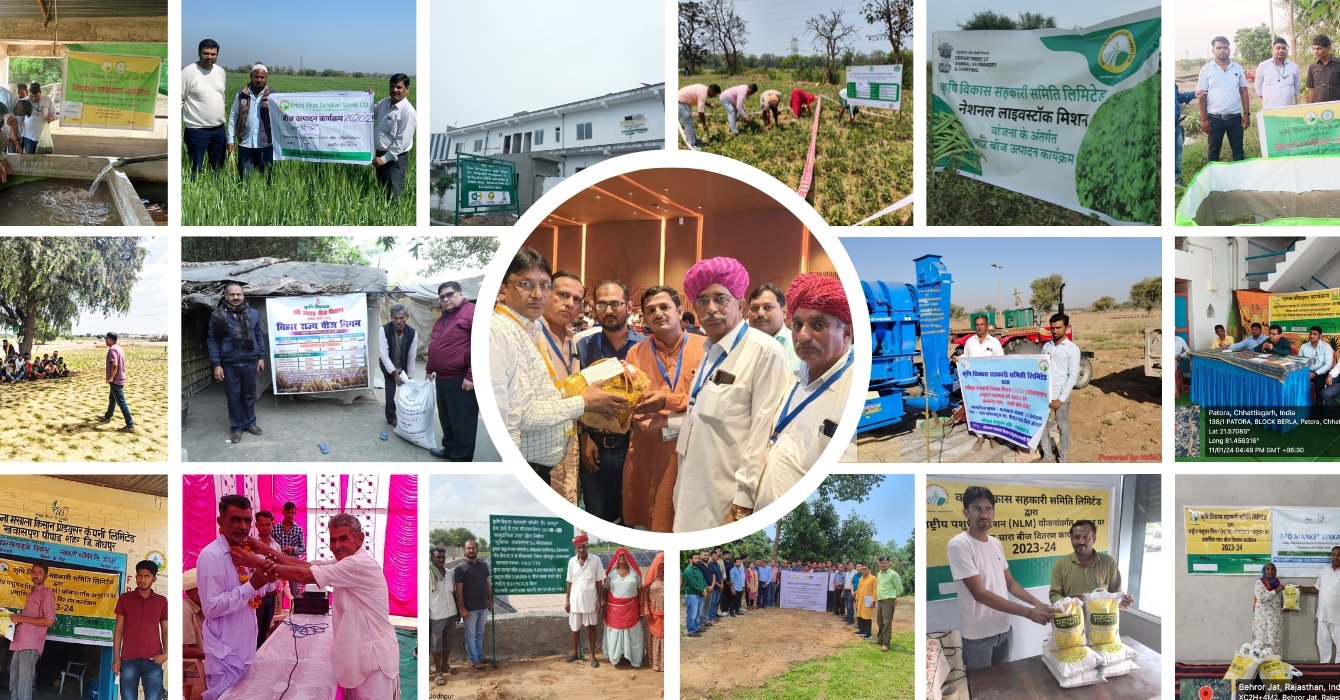
KVSSL has launched numerous projects and initiatives to tackle various challenges and seize opportunities in the agricultural sector. These efforts are dedicated to implementing new technologies, enhancing farmer education, and promoting innovative farming practices.
By empowering farmers and rural communities with essential resources, we are actively encouraging more organizations to collaborate with us.
Under the National Livestock Mission, KVSSL serves as a Central Fodder Seed Production Agency, playing a pivotal role in strengthening India’s livestock feed ecosystem. By producing and distributing certified and foundation seeds of key fodder crops including maize, sorghum, pearl millet, oat, berseem, amaranth, guar, and lucerne — KVSSL ensures a steady and reliable supply of quality inputs to farmers nationwide. This impactful initiative has already transformed the lives of over 5,83,412 cattle owners across India, with seeds made available at subsidised rates.
We stand at the forefront of cultivating and distributing certified seeds for oilseeds, pulses, cereals, nutri-cereals and millets, playing a pivotal role in addressing India’s food demand and supply gap. Through our steadfast contribution to the National Food Security Mission, we remain committed to ensuring food security for every citizen across the nation. Under the support of the Government of India, our mission continues to extend well beyond national borders.
This project aims to boost the cultivation of oilseeds and pulses in rice fallow areas by providing essential inputs such as seeds and biocides. It includes managing acidic soils and encouraging farmers to adopt pulses and oilseeds crops during the fallow period, thereby enhancing their secondary income. Implemented across five districts in Odisha—Sundargarh, Jajpur, Cuttack, Khurdha, and Puri—the project spans 44,200 hectares. It promotes innovative and best agricultural practices to maximize productivity and sustainability.
Dedicated to advancing organic farming, this project establishes demonstration farm labs in 25 clusters across Assam (10), Nagaland (5) and Tripura (10). Key initiatives include obtaining organic certification, providing training for master trainers and farmers, enhancing value addition, developing market linkages and creating a comprehensive database. The project aims to benefit 2,500 farmers by promoting sustainable and scientific agricultural practices.
We are establishing an organic farming model cluster spanning 300 hectares in Berla Block, Bemetara District, under the PKVY scheme. This initiative involves forming organic production clusters, enhancing capacity through exposure visits and training, achieving PGS certification and providing Direct Benefit Transfers (DBT) for farmer incentives. The project also focuses on value addition, marketing and publicity to support and promote sustainable organic farming practices.
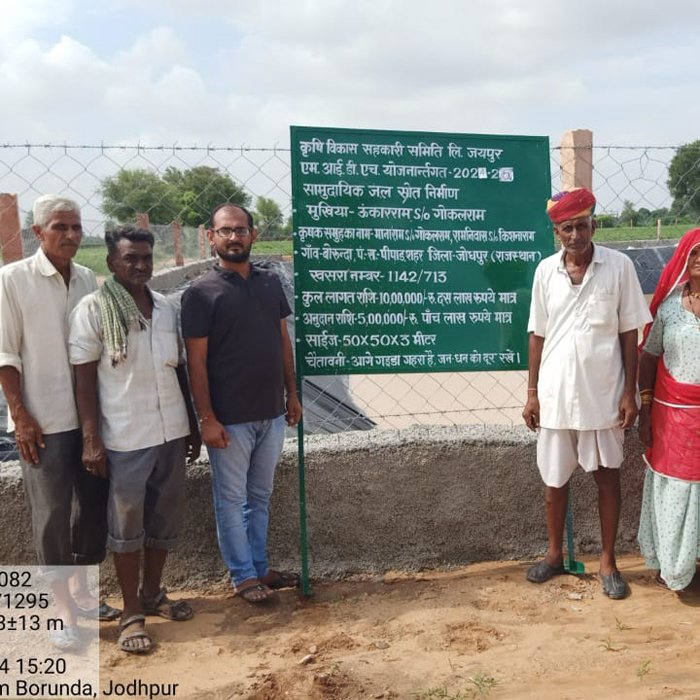
This project aims to boost the primary production, value addition, and marketing of spices in the Jodhpur, Sikar, and Nagaur districts of Rajasthan. Key activities include forming and nurturing Farmer Producer Organizations (FPOs), training farmers, expanding spice and organic farming areas, creating water resources, and producing quality planting materials. The project also promotes Integrated Nutrient Management (INM) and Integrated Pest Management (IPM), mechanization, provision of critical inputs, and effective post-harvest management. Over 2,400 farmers across 1,200 hectares have benefited, experiencing significant increases in production and income. Value-added products like cumin and fenugreek powders are being developed, further enhancing the farmer’s profitability.
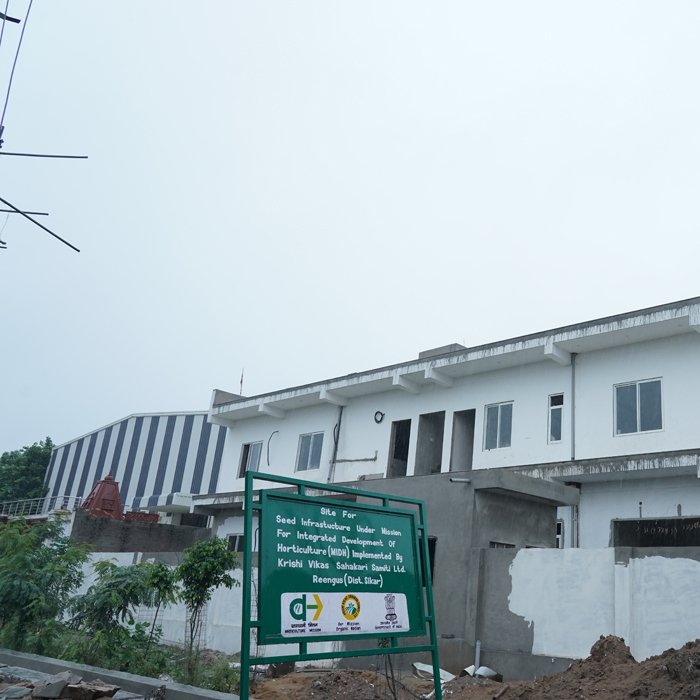
KVSSL actively supports the institutionalization of farmers, helping them access various benefits. Key interventions include:
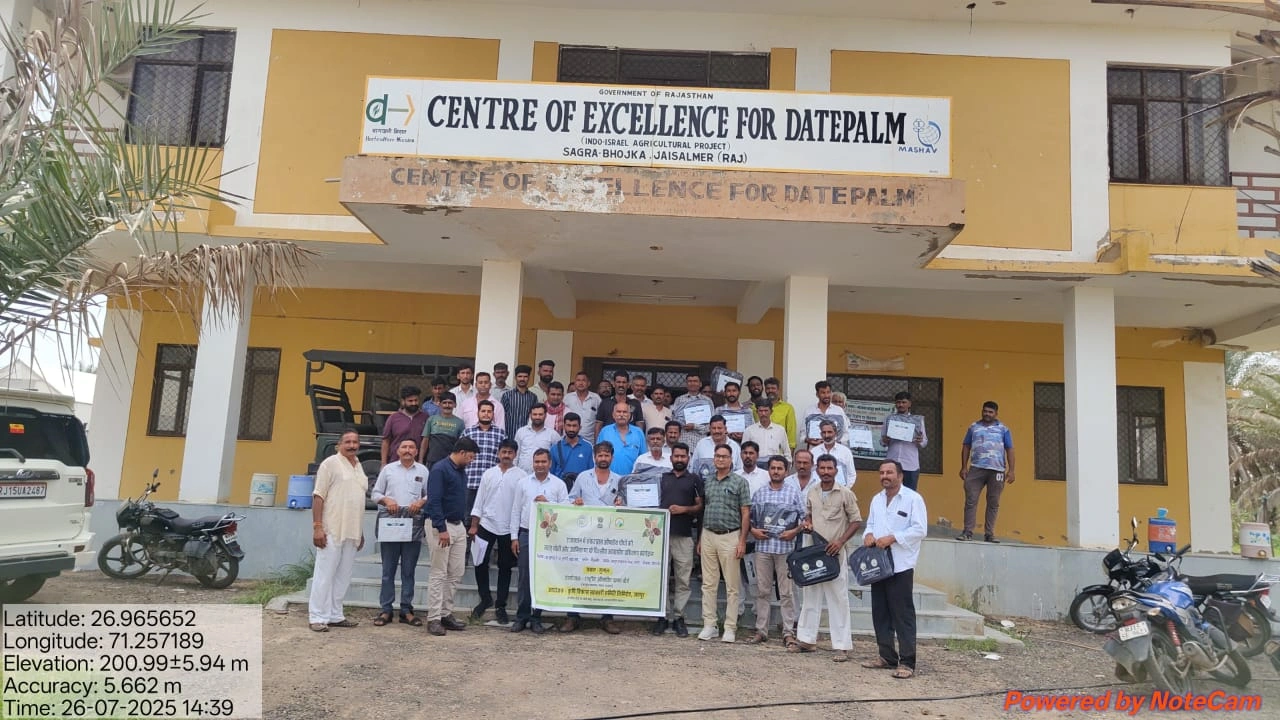
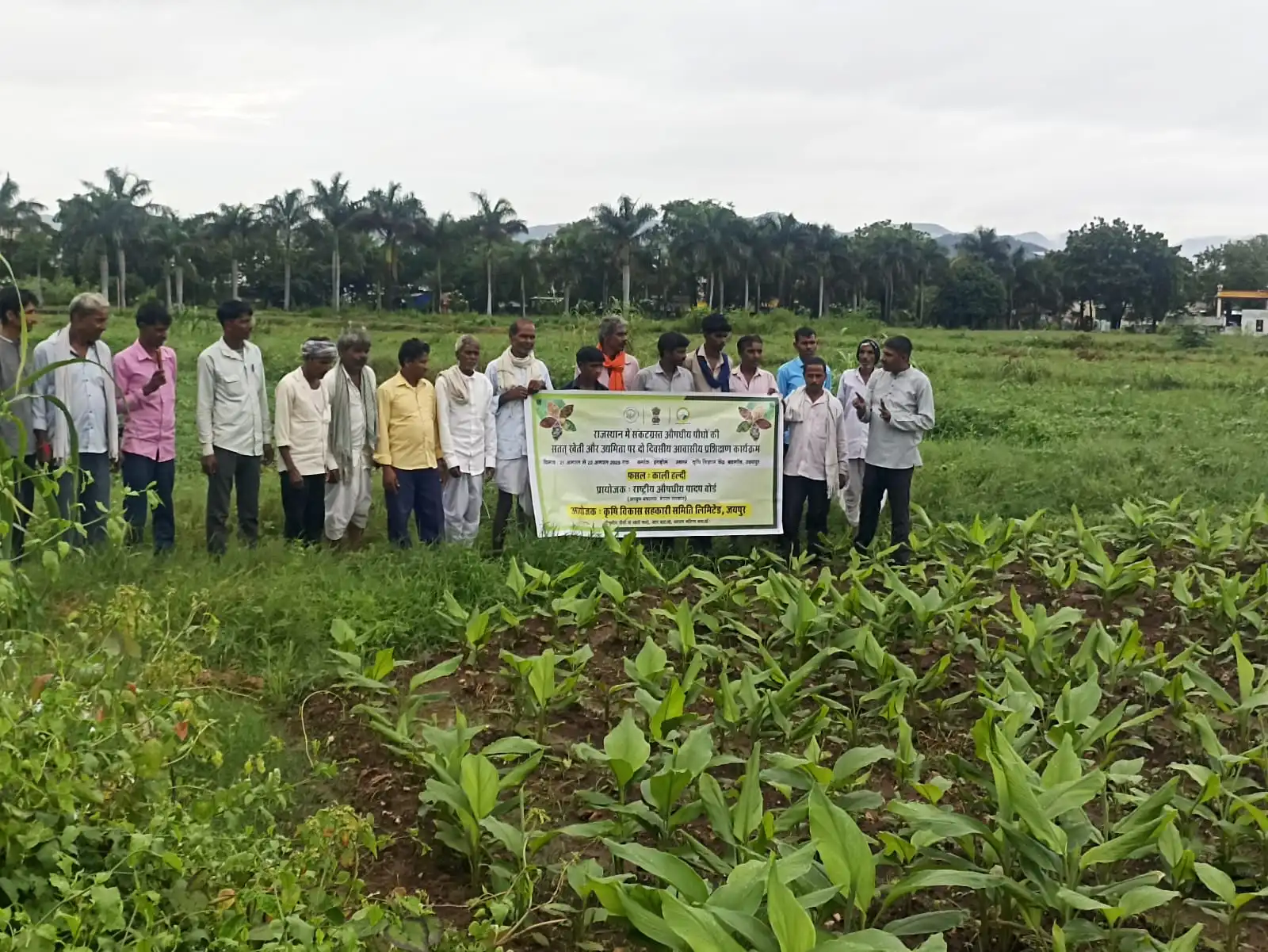
Implemented a sustainable medicinal plant cultivation and entrepreneurship program in Rajasthan under the National Medicinal Plants Board (NMPB), Ministry of AYUSH, training 550 tribal farmers through structured modules and field demonstrations. The initiative focused on group formation, value addition, and livelihood enhancement, supported by continuous technical guidance, traditional knowledge documentation, and impact assessment through pre- and post-training evaluations.
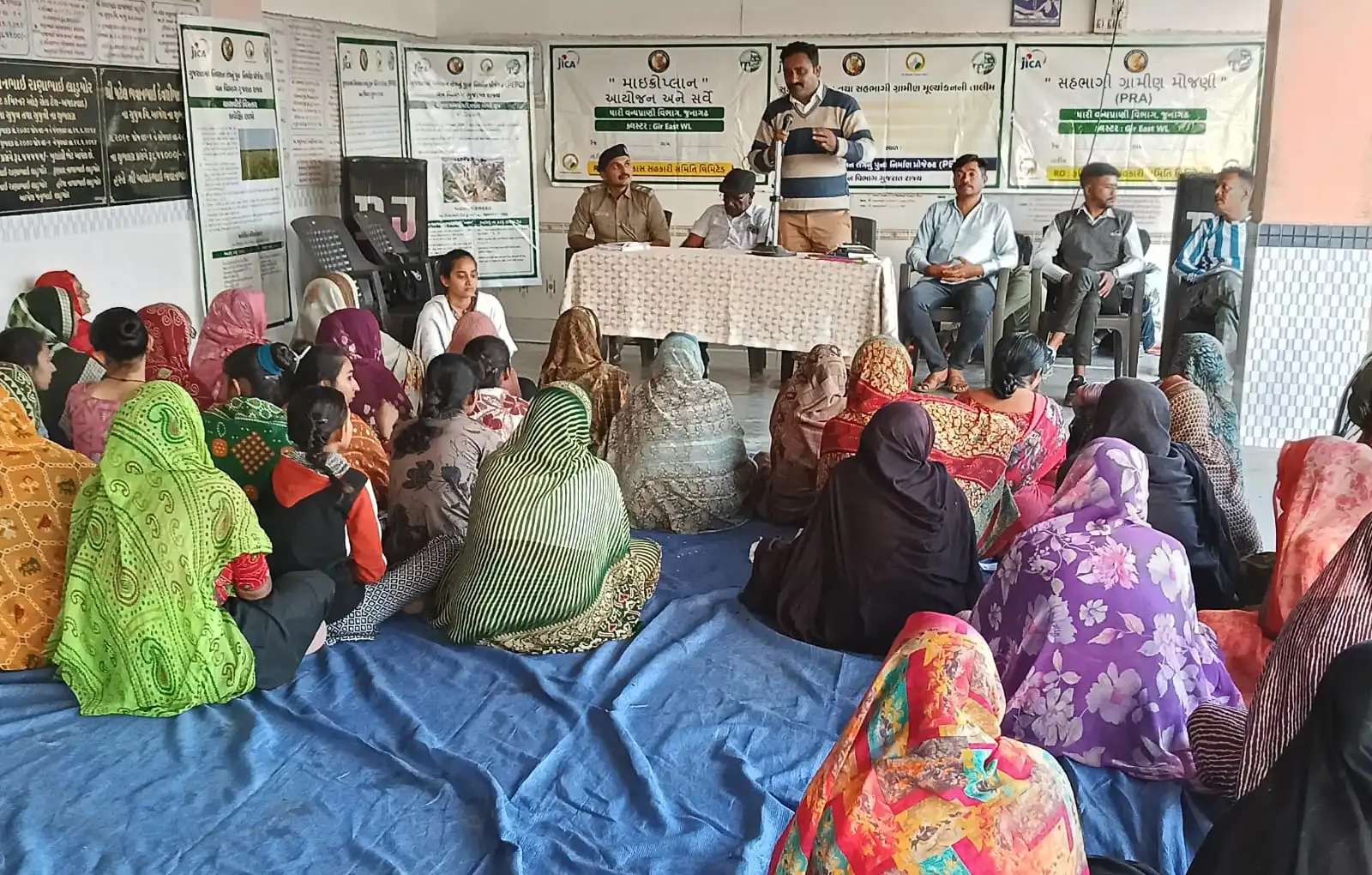
Implemented community mobilization and participatory planning activities under PERG across 114 forest divisions in Gujarat under the Deputy Conservator of Forest, Gir East Division, focusing on sensitizing JFMCs/EDCs, conducting PRA exercises, strengthening local institutions, forming and supporting SHGs, undertaking socio-economic surveys, and preparing ecosystem-based micro plans with community participation.
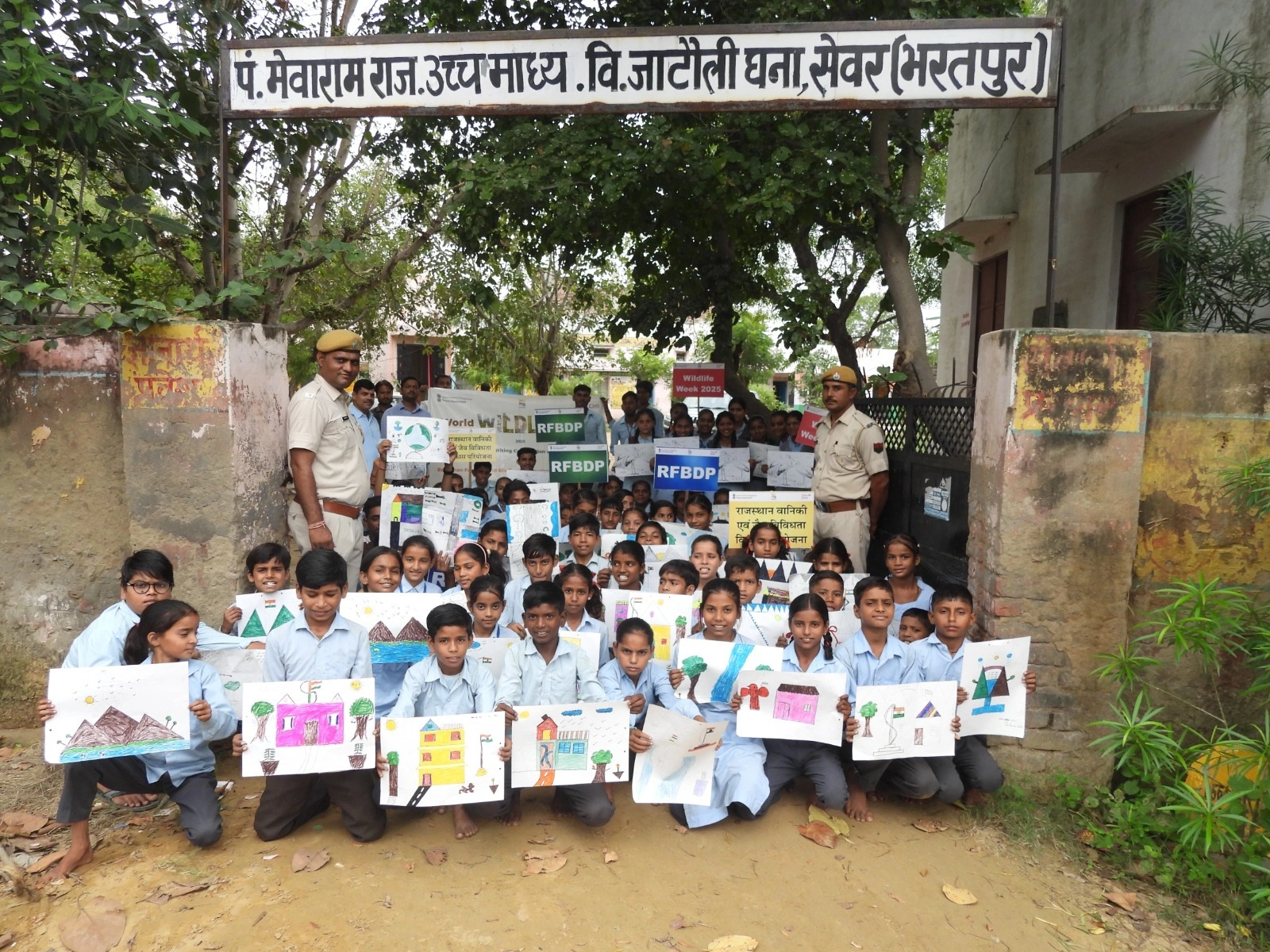
KVSSL is working as the Project Facilitation Team (PFT) under the Rajasthan Forestry & Biodiversity Development Project (RFBDP), Rajasthan Forest Department, providing end-to-end support for planning, implementation, and monitoring of an externally funded forestry and livelihood project. The assignment involves deployment of 88 personnel across state, district, and field levels to strengthen coordination among stakeholders. Key focus areas include participatory micro-planning, institutional strengthening of VFPMCs/EDCs, livelihood enhancement through SHGs and market linkages, and promotion of sustainable forestry practices, with emphasis on gender inclusion, convergence with government schemes, and robust MIS, documentation, and monitoring systems, with a total budget of ₹18.93 crore over 48months.
Provided end-to-end technical and managerial support under a Technical Support Services (TSA) model to the Uttarakhand State Rural Livelihood Mission, Aajeevika Bhawan, Dehradun, strengthening programme implementation at state and field levels. The role encompassed planning, capacity building, HR deployment, MIS and reporting systems, stakeholder coordination, and KPI-based monitoring, ensuring efficient execution, robust institutional systems, and sustainable programme outcomes through structured implementation frameworks.
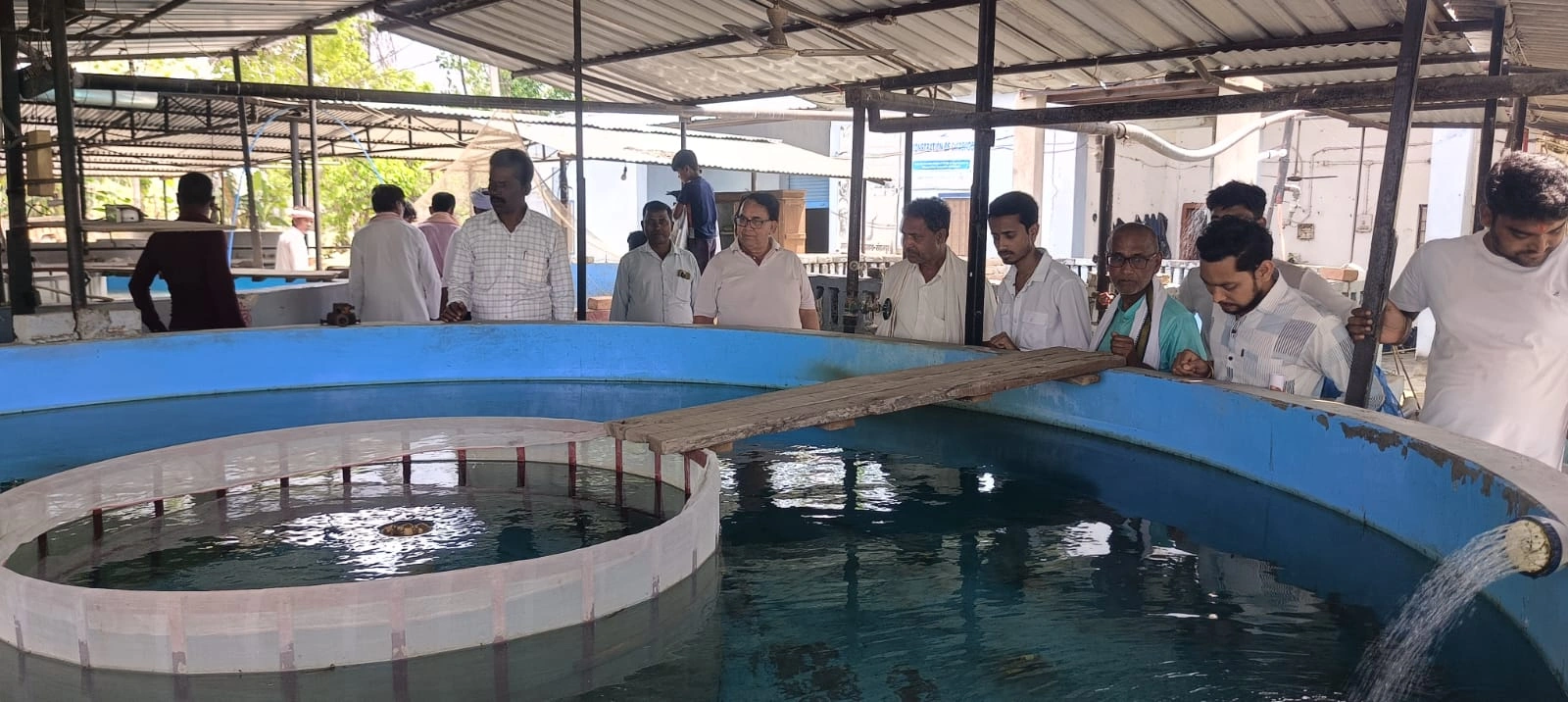
The assignment focused on strengthening institutional infrastructure and financial management systems under the Directorate of Fisheries, Government of Bihar, through capacity building, inter-departmental coordination, monitoring, and documentation. The project involved deployment of technical experts, including 1 Manager, 1 Business Development Manager, and 1 Accountant in each of the 18 societies, to support institutional strengthening and financial management improvements.
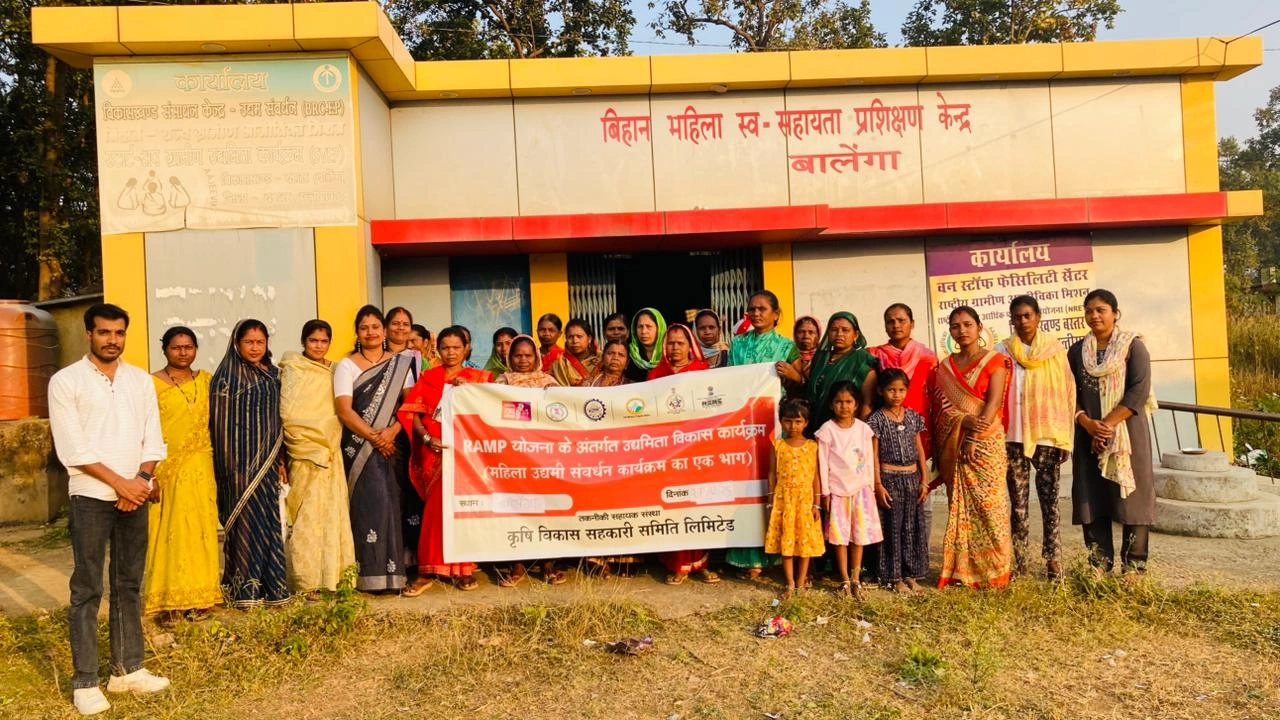
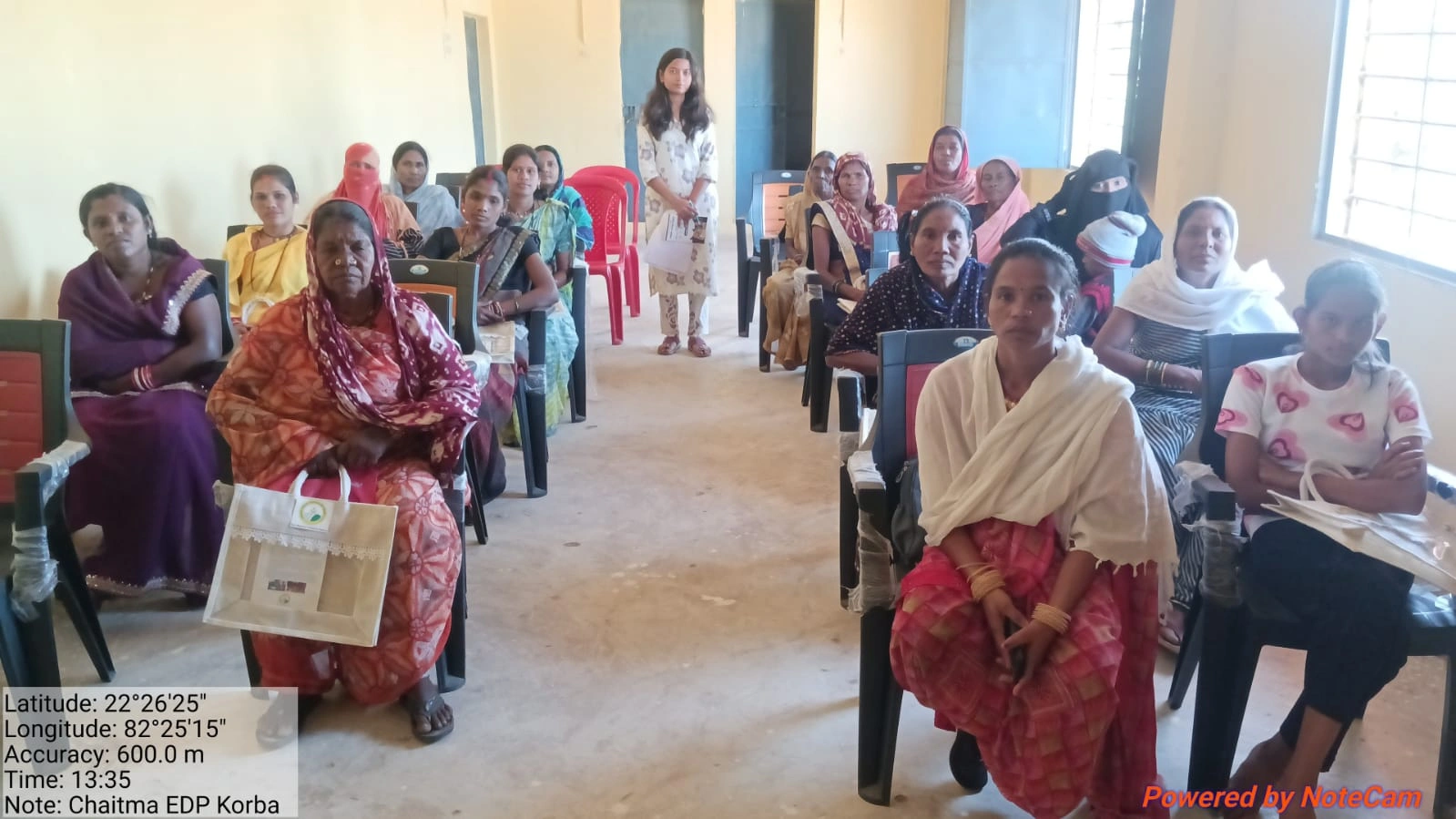
Implemented an Entrepreneurship Development and Capacity Building initiative under the RAMP Scheme for the Chhattisgarh State Industrial Development Corporation Ltd. (CSIDC), Raipur, across 10 districts of Chhattisgarh, delivering 83 sensitisation programmes, 27 EDP/ESDP trainings, 17 advanced skill programmes, 50 women entrepreneurship trainings, and 4 exposure visits. The project focused on promoting MSME growth, enhancing entrepreneurial skills, and strengthening ecosystem linkages for sustainable enterprise development
Implemented Sector-Specific Training Programmes under the RAMP Scheme (Zone 1 & 2) for the Chhattisgarh State Industrial Development Corporation Ltd. (CSIDC), Raipur, across multiple districts of Chhattisgarh, delivering a total of 45 trainings focused on enhancing technical, managerial, and entrepreneurial skills aligned with local industries. The initiative strengthened MSME competitiveness and promoted sustainable livelihoods through targeted capacity building and ecosystem linkages.
Conducting feasibility studies and baseline surveys to identify productive clusters.
Establishing and institutionalizing 62 FPOs.
Assisting FPOs in setting up input businesses and obtaining necessary licenses for mandi operations, fertilizers, pesticides, and seeds.
Aligning FPOs with government schemes and institutions like the National Agriculture Infrastructure Financing Facility (AIF) and Pradhan Mantri Formalization of Micro Food Processing Enterprises (PMFME).
Providing ongoing support for value addition activities.
Educating farmers on Good Agricultural Practices (GAP).
Through these initiatives, 2,00,000 farmers across seven states have benefited from improved agricultural practices, enhanced market access, better financial opportunities, higher prices for their produce, and advancements along the value chain.
